
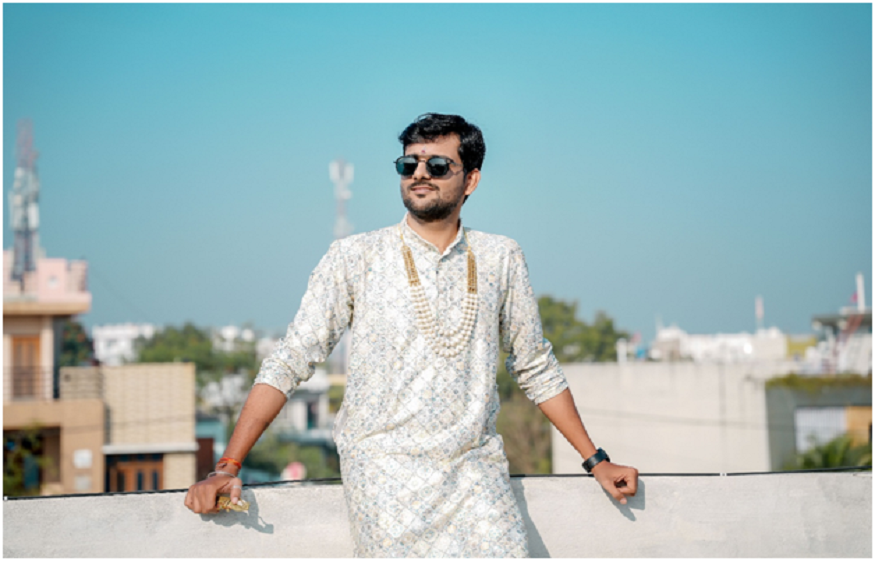
Kurtas have become one of the more adaptable pieces in an Indian wardrobe. They work across casual weekends, office ethnic days, and full festive occasions without requiring much change in how they are worn. The difference between a kurta that looks intentional and one that looks thrown together usually comes down to fit, fabric, and what it is paired with.
Fabric Options
Cotton kurtas are the most preferred choice for daily and casual wear. They are breathable, easy to maintain, and available in enough colours and prints to cover most occasions. For festive dressing, silk and silk-blend kurtas carry more weight visually and suit heavier occasions like weddings and religious celebrations.
Read More : How to Choose Footwear That Works for Every Type of Trip
Fit and Length
A kurta that fits well across the shoulders and chest but has some ease through the body is the most flattering cut for most builds. Try to keep these fit tips when picking a kurta for yourself:
- Very fitted kurtas restrict movement and tend to look better in photographs than in person.
- Very loose ones lose shape quickly through a long day.
Styling for Casual Occasions
Men’s kurtas in cotton or linen with minimal embroidery work well for casual settings. Pairing them with straight-fit jeans and kolhapuris keeps the outfit relaxed. Solid colours and simple block prints are easier to style casually than heavily embroidered or embellished options.
Festive Styling
For festive occasions, the fabric, embroidery, and pairing all need to work together. A silk or silk mix kurta with churidars and juttis is a tried and tested combo that works for most events. You could also put a Nehru jacket or a structured waistcoat over the kurta for a more formal look for weddings or larger occasions.
| Occasion | Fabric | Pairing |
| Casual | Cotton, Linen | Jeans, kolhapuris |
| Semi-Formal | Linen, Chanderi | Straight pyjamas, loafers |
| Festive | Silk, Silk-blend | Churidars, juttis, waistcoat |
For younger boys, boy’s ethnic kurtas follow similar styling logic, cotton for casual occasions, silk blends for festive events, paired with matching pyjamas or churidars depending on the occasion.
To Wrap Up
A kurta wardrobe does not need to be large to be functional. Two or three well-chosen pieces in different fabrics cover most occasions across the year. AJIO offers over 5,000 men’s and boys’ kurtas with many fabrics, cuts, and price points.
FAQs
1.What fabric kurta is best for summer festive occasions?
Linen and cotton-silk blends handle warmer weather better than pure silk, which can get uncomfortable quickly at an outdoor event. They still look festive enough for daytime weddings without the heaviness that comes with heavier weaves.
2. Can kurtas be worn with Western bottoms?
Shorter kurtas in cotton or linen sit well over jeans or chinos. Mid-thigh length works best here, anything longer starts looking like it was meant for ethnic bottoms and the proportions get awkward with trousers.
3. How should a kurta fit across the shoulders?
The seam should land at the edge of the shoulder, not past it. Once a kurta is too wide across the shoulders, it loses its shape through the body as well, and no amount of tailoring elsewhere fixes that.
4. What is the difference between a kurta and a kurta set?
A kurta set comes with matching bottoms in the same fabric. Standalone kurtas are more flexible for mixing with different bottoms. On the other hand, sets are better suited to weddings and celebrations.
Read More : A Mark of Distinction: The Engraved Whiskey Decanter Every Gentleman Should Own
5. How do I care for a silk kurta?
Dry cleaning works for kurtas worn a few times a year. For silk blends used more regularly, a cold water hand wash and flat air dry keep the fabric in reasonable shape without the recurring cost of dry cleaning every single time.